
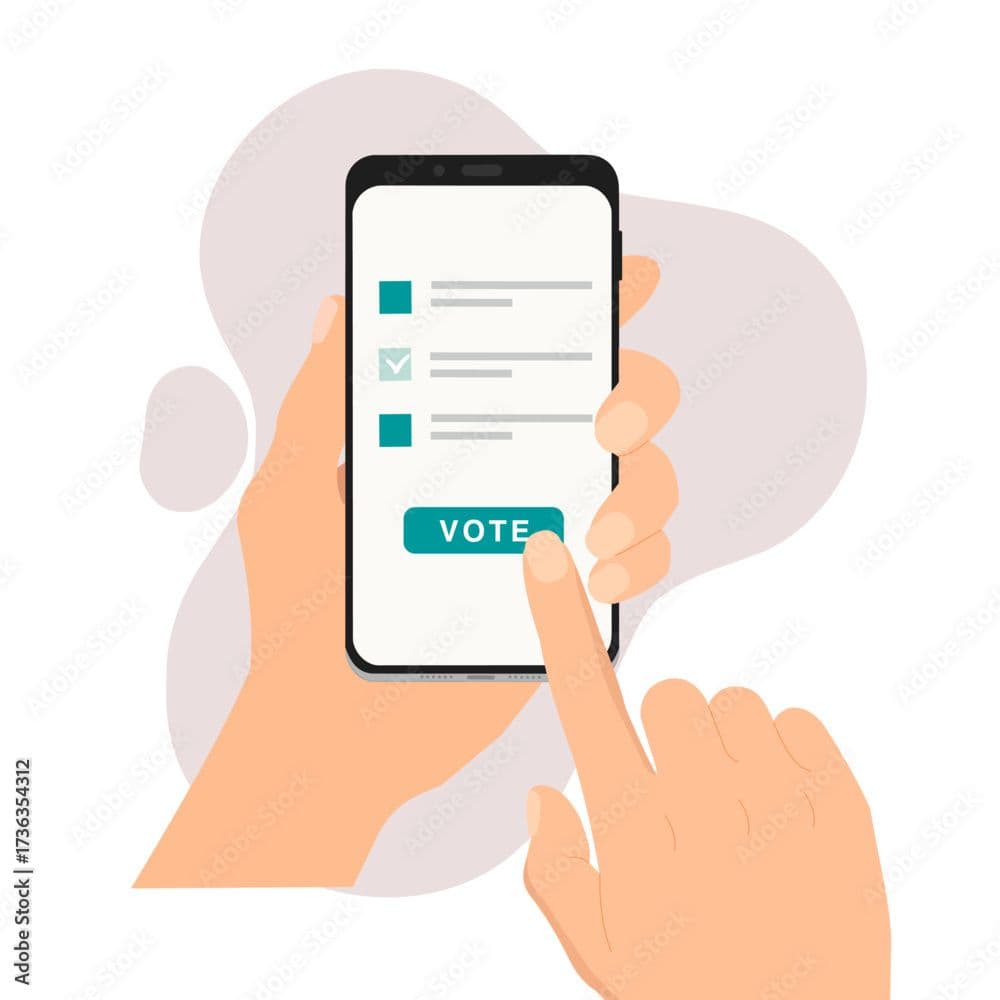
TL;DR
To run an election online, set the rules, check who's voting, add your candidates or nominees, test how voting works, open the vote, keep an eye on activity, close on time and publish the results clearly. For contests and voting tied to events, Aspec Hub is a strong platform to use.
Step 1: Decide what kind of election it is
First, be clear about what you're running. It could be voting for awards, a pageant, a school contest, an association, a fan-choice prize or a vote inside an event.
The type of election shapes the rules, who can vote and how results are presented.
Keep it simple
Rules people can grasp at a glance make for a better election, so spare voters the guesswork. Something like this does the job: voting runs from 8:00 AM on Monday until 6:00 PM on Friday, a vote costs GHS 1, only the official Aspec Hub link counts and winners are announced once the results have been reviewed.
Plain rules like that make people trust the outcome.
Step 2: Set clear rules
Put it all in writing: who's eligible, the opening and closing times, whether voting is free or paid, the number of votes allowed per person and how the winners will be made public.
Clear rules build trust.
Step 3: Pick the right platform
Choose one that works on phones and gives you reports, payment tracking and control as an organizer. In Ghana, phone access really matters, because lots of voters use a phone as their main device.
Aspec Hub is handy for elections tied to events, since it handles voting and ticketing.
Step 4: Add candidates or nominees carefully
Check every name and photo before you launch. One spelling mistake can spark complaints, and if you use codes, make sure each one is clear.
Go over the candidates' names, nominees' photos, category names, the price per vote, the start and end dates and your contact details. It's a simple step, but it matters a lot.
Step 5: Test it before launch
Run through everything before voters see it, ideally on a separate test contest so no real votes land on the live one. Check the candidates' names, nominee codes, the payment process, confirmation messages, the results dashboard and how it all looks on a phone.
Step 6: Promote and keep watch
When the vote goes live, push the official link (and the USSD steps, if USSD is on your plan). Watch the activity closely and reply to questions fast.
Your messages should be short and direct: where to vote, pick a nominee, pay, confirm, and the time voting ends.
Stick to a single official link, since several links only confuse voters.
Step 7: Close and report
Shut voting at the exact time you announced. Don't change the rules late unless there's a clear public reason. Once it's closed, check the reports and publish the results clearly.
What can go wrong?
Poor planning is what sinks online elections. Typical trouble includes people clicking an unofficial link, rules nobody understands, failed payments, mistakes in nominee details, rules changed at the eleventh hour, thin reporting and nobody around to help while the vote is open.
A proper voting process and event tools on Aspec Hub keep you clear of all that.
When an election needs tickets too
An election is often just one piece of something bigger: a school vote leading to an awards night, a pageant building to its finale or a church awards vote rounded off with a dinner.
In those cases, ticketing matters too. Aspec Hub handles voting and ticketing, so you don't have to run everything in separate places.
A quick checklist
Tick off each of these before you go live:
- Anyone could understand the rules.
- Every nominee's details are right.
- The link opens the vote properly.
- You've run a payment through a test contest.
- Voters know the closing time.
- Reports are visible to you.
- Your team knows which link to give out.
- If there's a final event, tickets are ready to sell.
Do that and the process stays clean.
Why phone access matters
Expect almost everyone to vote from a phone. That means a page that reads well on a small screen, obvious buttons, correct names and, for paid votes, a short payment step.
People who find it fiddly on their phone simply stop. A platform that works well on mobile, like Aspec Hub, helps more people finish voting.
After the election
Once voting closes, don't rush. Check the reports and review the numbers, and look over the payment records if votes were paid. Then announce the results clearly.
Taking that care at the end is what keeps people's confidence: they want to see the whole election was run properly.
Final thoughts
Running an election online is really about trust. Use clear rules, make voting easy to get to and pick a platform like Aspec Hub that cuts down on manual mistakes.
FAQ
Can elections be conducted online in Ghana?
Yes. Lots of contests, awards and associations use online voting tools.
Is online voting good for paid contests?
Yes, as long as the platform tracks votes and payments clearly.
Can Aspec Hub help conduct online elections?
Aspec Hub runs voting campaigns, especially for awards, pageants, contests and events.